So the big news: from 2026-27, gambling companies can't slap their logos on the front of Premier League shirts anymore. They can still do sleeves, which is like banning cigarettes from TV ads but letting them sponsor the corner flag. Progress, I guess.
I've been collecting shirts for years, and I've seen some absolute howlers on the front. Remember when Chelsea had a three mobile sponsor? Or when Newcastle had Wonga? Yeah. So this gambling ban is a step, but let's not pretend the league has suddenly gone all wholesome.

So who's actually replacing the bookies?
According to the BBC, the industries taking over front-of-shirt spots are a mix of tech, finance, and—surprise—state-owned airlines. You know the ones. The petro-state carriers that somehow get a free pass because they're not technically gambling. A commenter nailed it: "Funny how most people don't even know about the sportswashing here. But if it was Visit Saudi most of them would be losing their minds immediately." That's the thing—we've become numb to it. A gambling logo? Outrage. A human rights record? Meh, nice kit though.
I'm not saying every sponsor is evil. Some are just boring. But when you look at the list, you realise the Premier League is still a billboard for questionable money. The only difference is now it's slightly less in-your-face about it.
Is the gambling ban actually meaningful?
Short answer: yes, but it's a low bar. Gambling ads are everywhere—during matches, on sleeves, on ad boards. Banning them from the front of shirts is like putting a plaster on a gunshot wound. Still, it's something. I've got mates who've struggled with betting, and seeing their team's shirt plastered with a bookie's logo doesn't help. So I'll take the win.
But let's not kid ourselves. The money just shifts. Those gambling companies will pump more into sleeve deals, training kit, whatever. The front of the shirt is just the most visible spot. The Premier League isn't suddenly moral; it's just rearranging the deck chairs.
What about the petro-state airlines?
This is where it gets uncomfortable. A lot of fans are fine with Emirates, Etihad, Qatar Airways. They're not gambling, so they must be okay, right? Wrong. These are state-owned enterprises with dubious human rights records. But because they're not directly selling something addictive, we let it slide. I've been guilty of it too—I've got an old Arsenal shirt with Emirates on it and I never thought twice.
The comment about "petro-state owned airline spin ship" is spot on. These airlines are PR vehicles for regimes that want to sportswash their image. And we're wearing them. Literally. It's a weird feeling when you realise your favourite kit is a walking advert for a country's reputation laundering.
Why do we care so much about shirt sponsors anyway?
Because shirts are sacred. They're not just fabric; they're identity. When I pull on my 90s Newcastle shirt, I don't think about the sponsor—I think about David Ginola and Kevin Keegan. But the sponsor is there, part of the design. A bad sponsor can ruin a beautiful kit. Remember when Chelsea had that awful "Three" logo? It looked like a mobile phone ad from 2003. And don't get me started on the Newcastle Wonga shirts—fans hated them, but the club took the money.
So yeah, sponsors matter. They're part of the aesthetic, part of the memory. And when they're morally questionable, it taints the shirt. I've got a friend who refuses to buy a shirt if the sponsor is a gambling company. I respect that.
The beer sponsor nostalgia is real
One commenter mentioned Quilmes sponsoring Argentine clubs and dreaming of trying it, only to find out it's "the worst beer ever created." That's the thing—sometimes the sponsor is just a beer, and that's fine. I'd rather have a beer logo than a betting firm or a state airline. At least beer is honest about what it is. Though if it tastes like Quilmes, maybe not.
I miss the days when shirt sponsors were local businesses or quirky brands. Now it's all global corporations or shady regimes. Give me a shirt with a local bakery on it any day.
So what's the takeaway? The gambling ban is a start, but the Premier League still has a long way to go. Until we start calling out the petro-state sponsors with the same energy, we're just picking and choosing which dirty money we're comfortable with. And that's a conversation fans need to have—preferably before we buy next season's kit.
What do you reckon? Would you wear a shirt with a sponsor you disagree with? I'm genuinely curious.
From the LISIMKE shop
Kits that fit this story
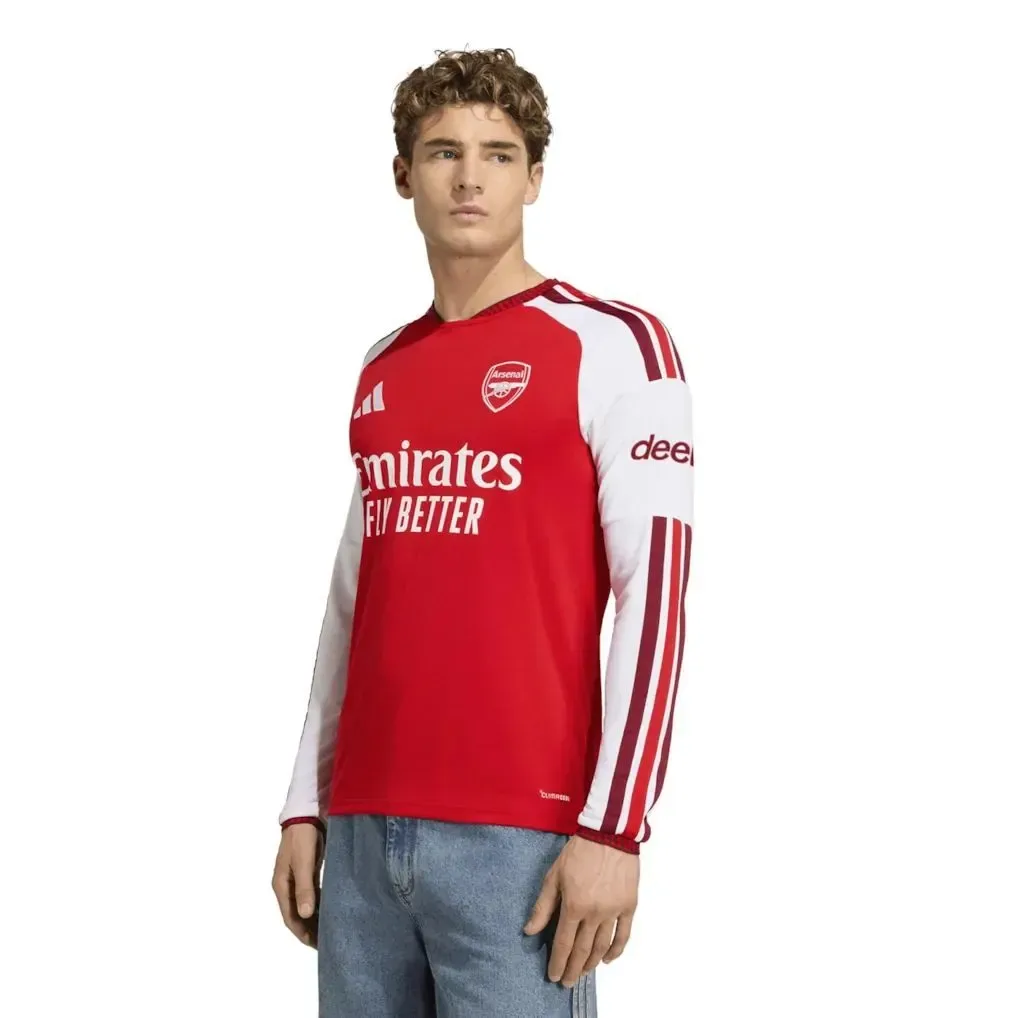 US$32.99 • LISIMKEArsenal Home Jersey 26/27 – White – Long Sleeve
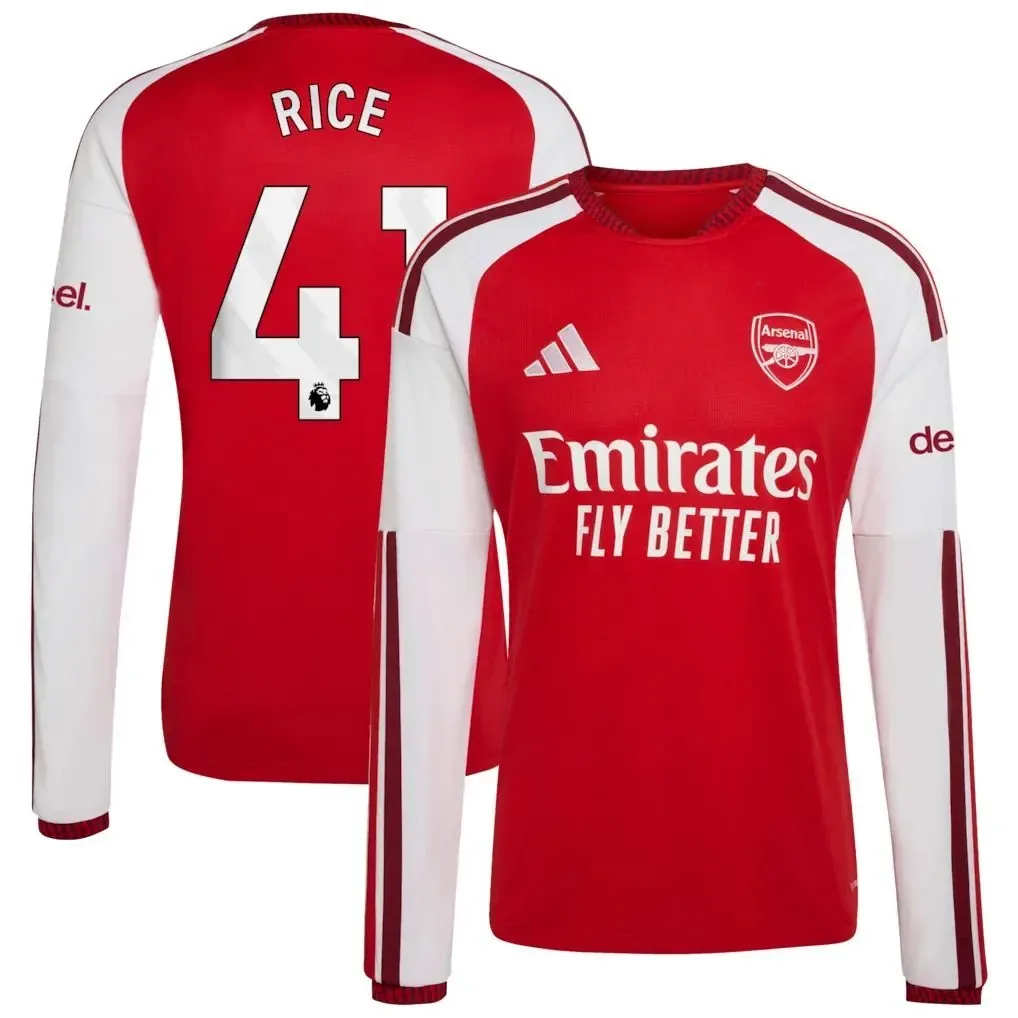 US$32.99 • LISIMKERice #41 Arsenal Home Jersey 26/27 – White – Long Sleeve
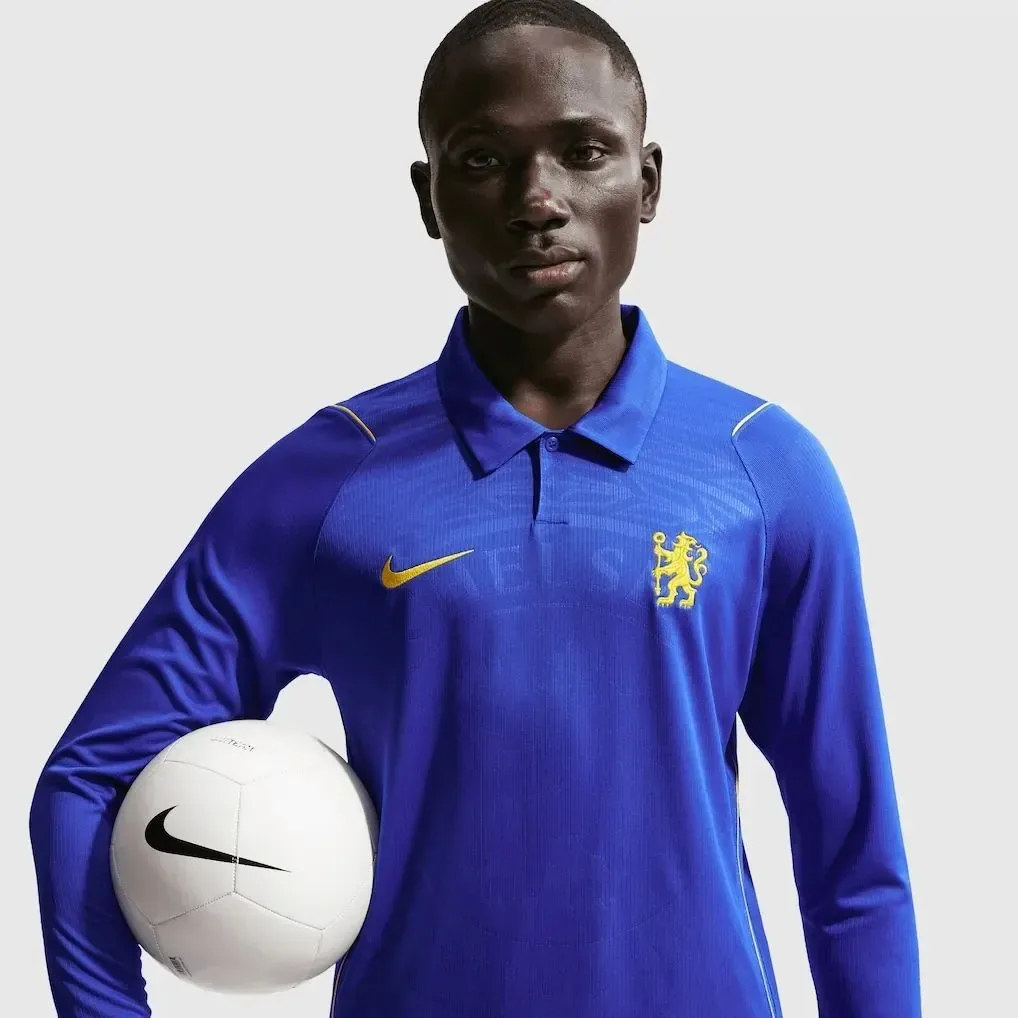 US$27.99 • LISIMKEChelsea Home Jersey 26/27 – Blue – Long Sleeve
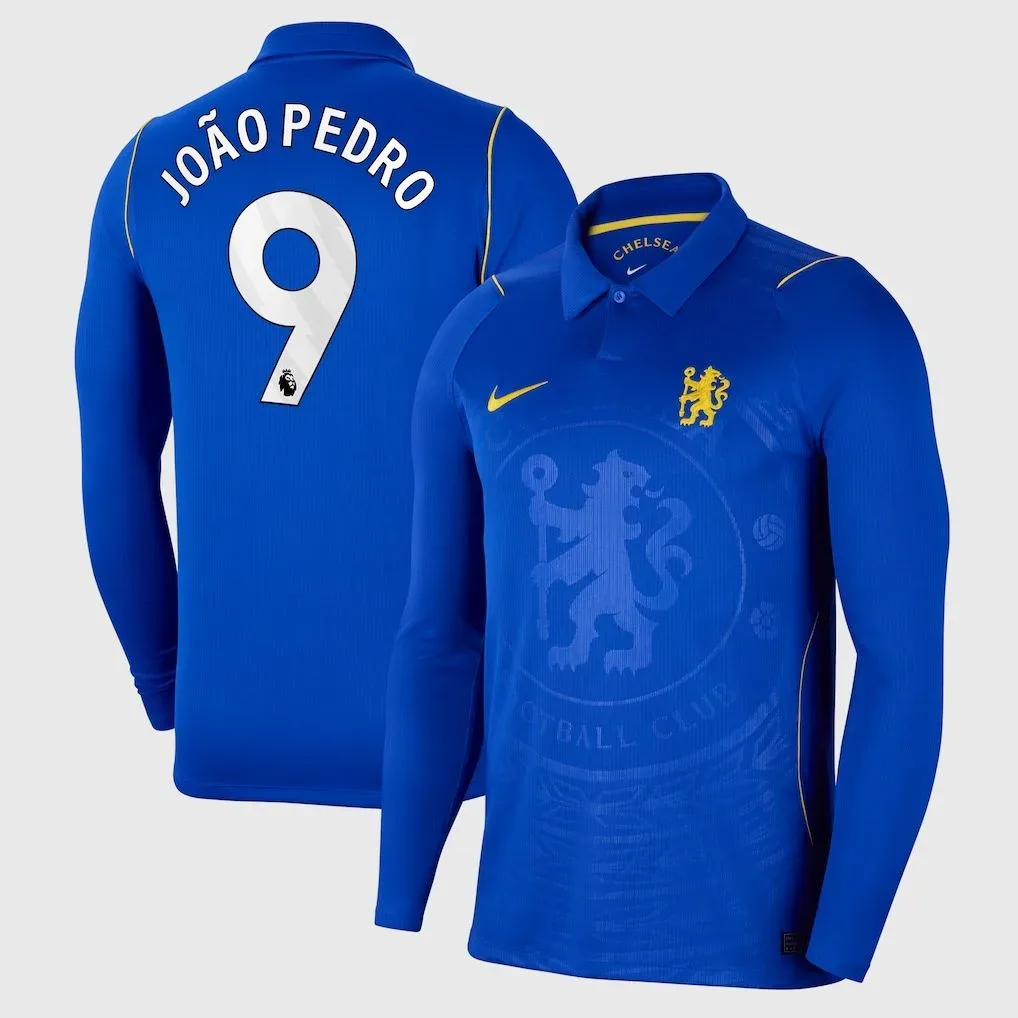 US$32.99 • LISIMKEJoão Pedro #9 Chelsea Home Jersey 26/27 – Blue – Long Sleeve
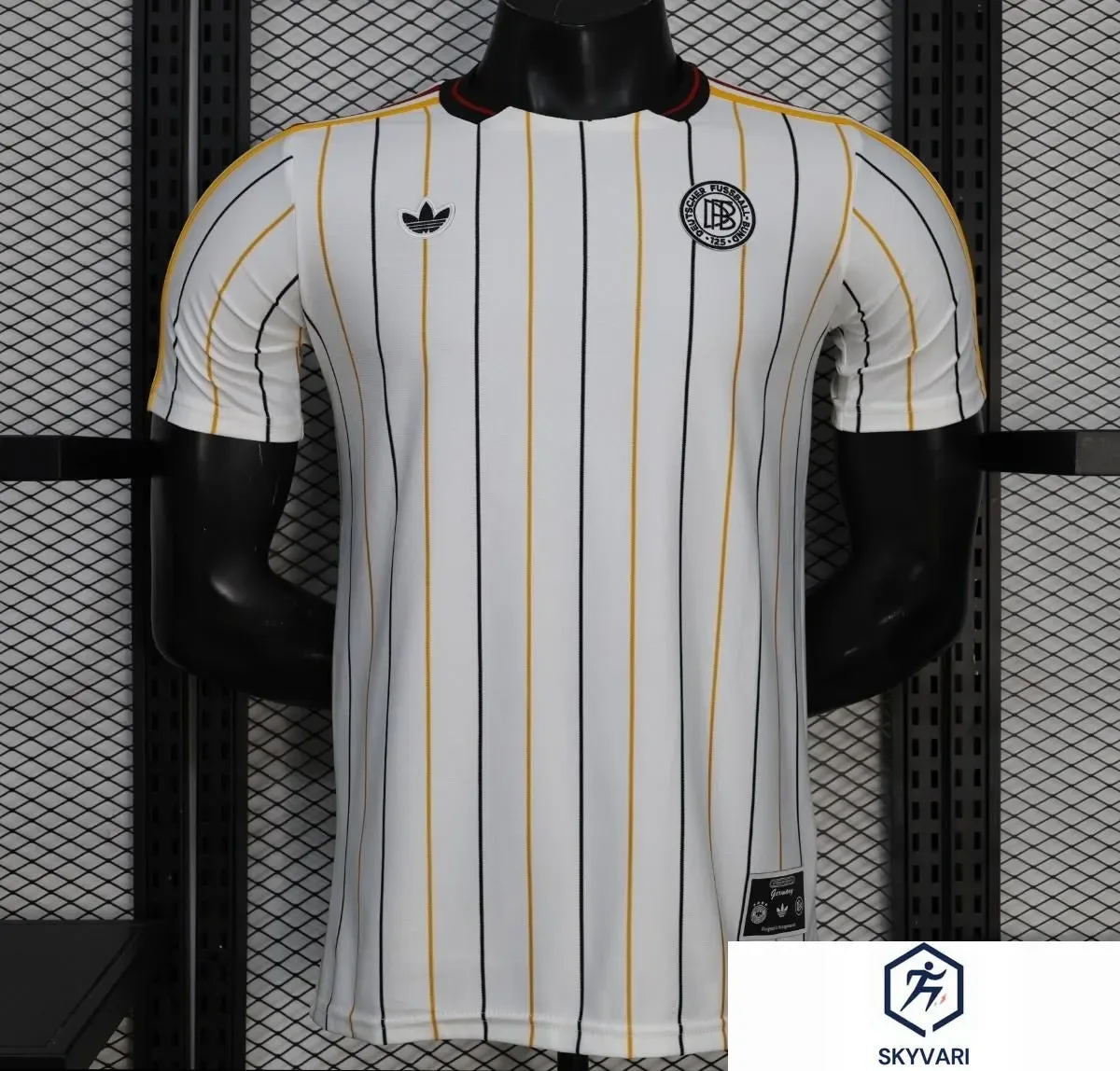 US$27.99 • LISIMKENewcastle United Jersey 2026 – White – Player Version
Why are gambling companies banned from Premier League shirt fronts?
The ban, set to start in 2026-27, is a response to concerns about gambling addiction and the normalisation of betting in football. Clubs agreed to it voluntarily, but gambling firms can still appear on sleeves.
Which industries are replacing gambling sponsors on Premier League shirts?
A mix of tech, finance, and state-owned airlines. Some clubs have turned to crypto, while others have stuck with traditional sponsors like car manufacturers or airlines.
What is sportswashing in football?
Sportswashing is when a country or organisation uses sports sponsorship to improve its reputation and distract from human rights abuses or other negative issues. Petro-state airlines are often cited as examples.
Do fans care about who sponsors their club's shirt?
Many do, especially when the sponsor conflicts with their values. Some fans refuse to buy shirts with gambling or unethical sponsors, while others prioritise the design or just want to support the team.
Are beer sponsors better than gambling sponsors?
Some fans prefer beer sponsors because they seem less harmful than gambling, but beer also has its own issues with alcohol abuse. It's a personal call, but many would take a local beer over a global betting firm.