You ever had to part with a piece of your collection because life came at you fast? That gut punch when you hand over something that means more than money? Paraguay goalkeeper Orlando Gill lived that. He sold his only U20 national team jersey to cover his son's medical expenses. Now, the shirt is coming back to him. And the football world is feeling all sorts of ways about it.
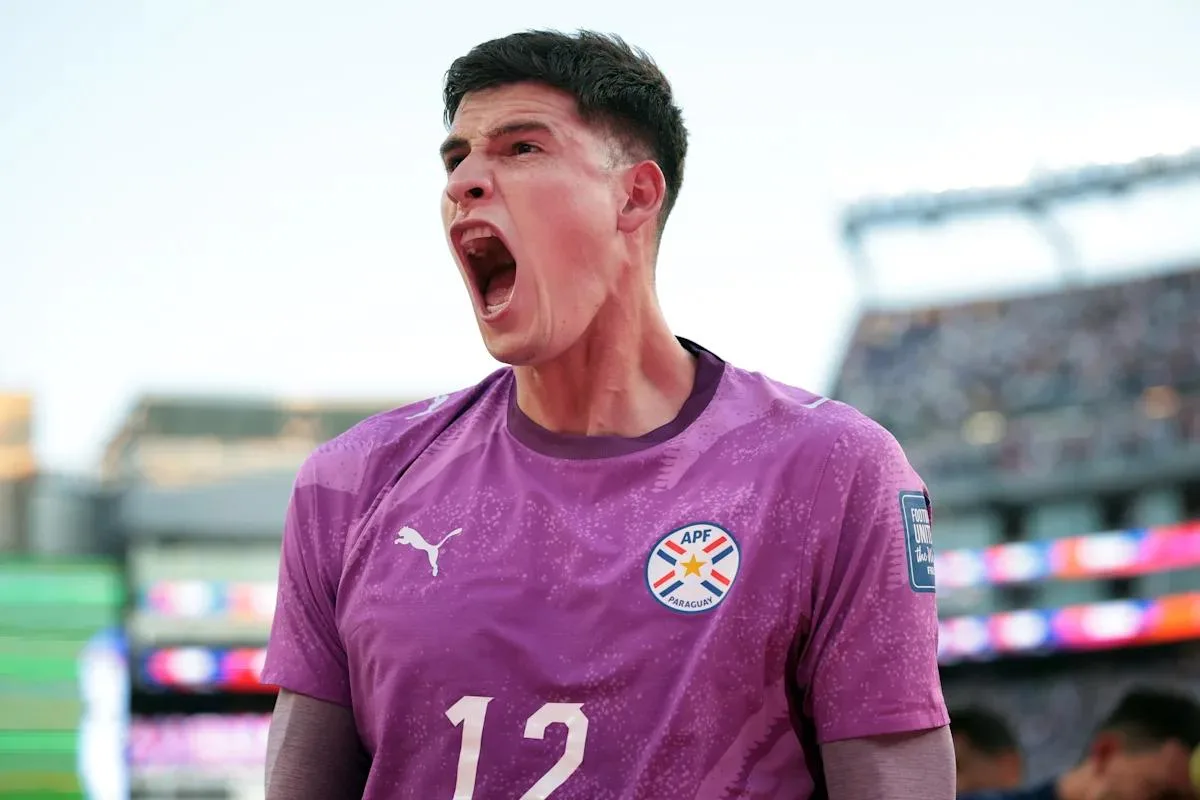
Healthcare shouldn't be a pay-to-play system
Look, I'm not here to turn a shirt story into a political rant, but come on. The fact that a professional athlete—someone who's literally made it to the national team setup—had to sell a prized memento to afford medical care for his kid is messed up. If that's the reality for a guy at that level, what hope does the average person have? It's a stark reminder that in many places, healthcare is a luxury, not a right. And that's before we even get to the emotional cost of giving up something that represents years of hard work and sacrifice.
What was the friend thinking?
Here's the part that gets me: Gill sold the jersey to a friend for 30 bucks. Thirty. That's it. Now, I get that 30 USD goes a lot further in Paraguay than it does in the US or Europe. But still—if you're a friend, and you know this shirt is one of a kind, why wouldn't you just lend him the money? Why take the shirt? It feels less like a transaction and more like a missed opportunity for human decency. Maybe the friend wasn't in a position to lend cash, or maybe they saw it as a fair deal. But from the outside, it smells like a friend who wasn't much of a friend. Or maybe they were just clueless about how much it meant. Either way, it's a head-scratcher.
Why this story hits home for shirt collectors
As someone who's spent way too much time and money hunting down match-worn shirts, I can tell you: every jersey has a story. But some stories are heavier than others. Gill's U20 shirt wasn't just a piece of fabric—it was a symbol of his journey, his pride, his youth. Selling it must have felt like selling a part of himself. And for collectors, that's the nightmare scenario. We joke about being buried in our shirts, but the thought of having to flog one to pay bills is real. It's why some of us insure our collections, or at least keep a mental list of which ones we'd never let go. Gill didn't have that luxury. He had to choose between a shirt and his son's health. No contest.
The return of the shirt: a feel-good ending, but with a twist
So the shirt is going back to Gill. Details are fuzzy on how it happened—maybe the friend had a change of heart, maybe someone else stepped in. But it's a rare happy ending in a sport that often chews people up. Still, I can't help but wonder: does getting the shirt back erase the sting of having to sell it in the first place? Probably not. But it's a reminder that sometimes, the football community can come together and do something right. And for Gill, it's a piece of his past restored. That's worth something.
What would you sell from your collection?
Let's be honest: most of us have a price. Maybe it's that rare away kit from the 90s, or a signed shirt from your favorite player. But when it's for your kid's health, there's no price. You just do what you have to do. Gill did. And he shouldn't have had to. That's the takeaway here. Not the warm fuzzy feeling of a shirt reunion, but the cold reality that too many people face impossible choices. So next time you look at your collection, appreciate it. And maybe spare a thought for the ones who had to let theirs go.
Final thought: If you had to sell one shirt to cover an emergency, which would it be? And would you ever buy it back? Let me know—I'm genuinely curious.
From the LISIMKE shop
Kits that fit this story
 US$27.99 • LISIMKELamine Yamal Spain Away Jersey 26/27 – White – Youth
 US$27.99 • LISIMKELamine Yamal #19 Spain Away Jersey 2026 World Cup – White
 US$27.99 • LISIMKESt Pauli Home Jersey 26/27 – WhiteUS$32.99 • LISIMKESt Pauli Home Jersey 26/27 – White – Kids Kit Set
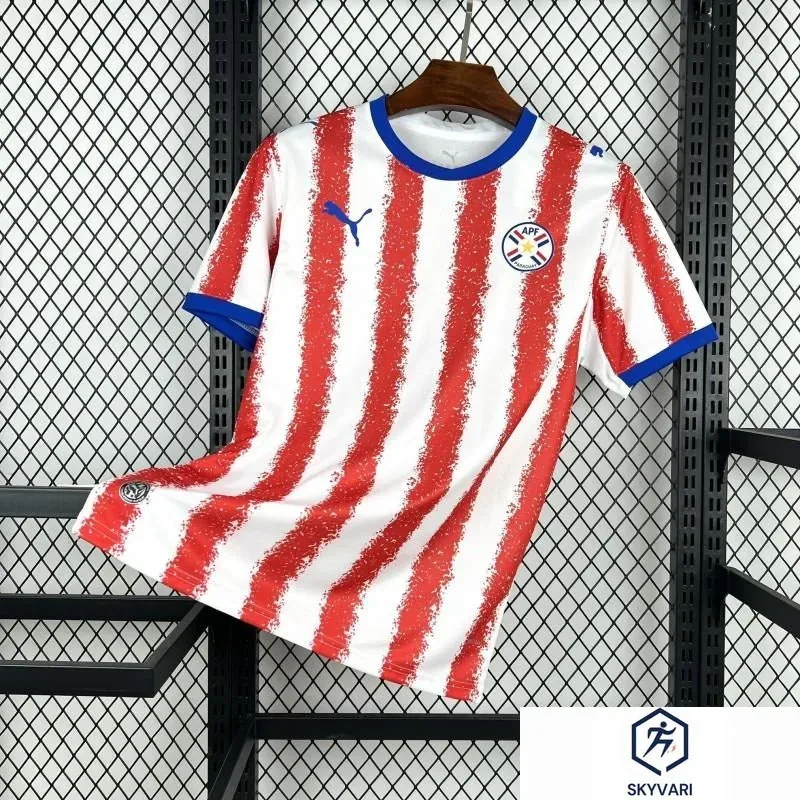 US$27.99 • LISIMKEParaguay Home Jersey 2026 – Red
Why did Orlando Gill sell his U20 jersey?
He sold it to cover medical expenses for his son. It was the only U20 jersey he had.
How much did he sell it for?
Reports say he sold it to a friend for $30.
Is the jersey being returned to him?
Yes, the story says he's getting the jersey back. The exact circumstances aren't fully clear, but it's a positive outcome.
Why is this story resonating with fans?
It highlights the harsh reality of healthcare costs and the emotional attachment fans and players have to shirts. Many are debating what they'd do in his situation.
What does this say about healthcare in Paraguay?
It suggests that even professional athletes can struggle with medical bills, pointing to broader issues with healthcare affordability and access.