Football clubs love a good PR move, but Chelsea might have just outdone themselves. When Emi Martínez swapped his No. 26 for the No. 1 shirt, fans who'd already splashed cash on the old number were left with a wardrobe full of regret. Chelsea's fix? Bring your No. 26 to Stamford Bridge by October 4, and Martínez will personally sign it. Cue the jokes about upcycling.

Is this the most genius upcycling ever?
Chelsea have a reputation for recycling—managers, players, you name it. But turning a potentially angry fanbase into a queue of people getting free autographs? That's next-level. Instead of refunds or discounts, they're offering a memory. And let's be honest: a signed shirt from a World Cup winner beats a pristine No. 26 any day. The club gets good press, fans get a story, and Martínez gets to play the hero. Win-win-win.
Why do fans care so much about shirt numbers anyway?
Shirt numbers are identity. They're tattooed on calves, printed on backs, and argued about on forums. When a player switches, it's not just a digit—it's a signal. No. 1 says "I'm the guy." No. 26 says "I'm the backup" or "I'm new here." So when Martínez upgraded, fans who'd invested in the 26 felt burned. It's like buying a band tee right before they change their logo. Chelsea knew this, and they acted. Smart.
The mods ruined the fun (again)
Remember that legendary Reddit user who used to write fake article summaries that were totally believable until they randomly praised Arijanet Murić? Yeah, the mods shut that down. Classic. The sub lost its best running gag because someone couldn't handle a joke. This shirt saga has a similar vibe: the club is trying to make things right, but you just know some killjoy will complain about the October 4 deadline or the trek to Stamford Bridge. Let people enjoy things, eh?
Was Martínez actually worth the fuss?
Let's talk about the keeper himself. Before Martínez, Chelsea's post-Courtois goalkeeping situation was... rough. Kepa had moments, but confidence? Not so much. Petrovic, Sanchez, Jorgensen—the bar was on the floor. Martínez, for one season at least, looked indomitable. He commanded his box, made big saves, and didn't panic. That's why fans were so quick to buy his shirt in the first place. So yeah, he was worth the fuss. And if he keeps it up, that No. 1 will be iconic.
What about the timing?
Some pointed out that formal squad numbers are only confirmed after the transfer window closes. True, but fans buy shirts in July. Clubs know this. So while the number change wasn't a shock, the handling of it could have been a disaster. Chelsea turned it into a positive. That's rare. Most clubs would just ignore the complaints or offer a 10% discount on a new shirt. Not this.
So what's the takeaway? If you bought a No. 26 Martínez shirt, you're not unlucky—you're part of a limited edition. Get it signed, frame it, and tell everyone you were there before the switch. And if you're a club, take note: this is how you keep fans onside. Upcycle, don't upset.
From the LISIMKE shop
Kits that fit this story
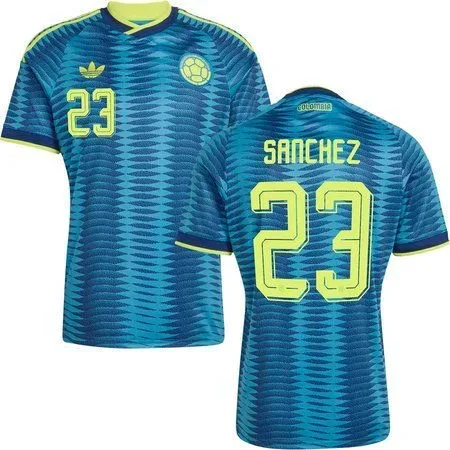 US$27.99 • LISIMKESANCHEZ #23 Colombia Away Jersey 2026 World Cup – Red
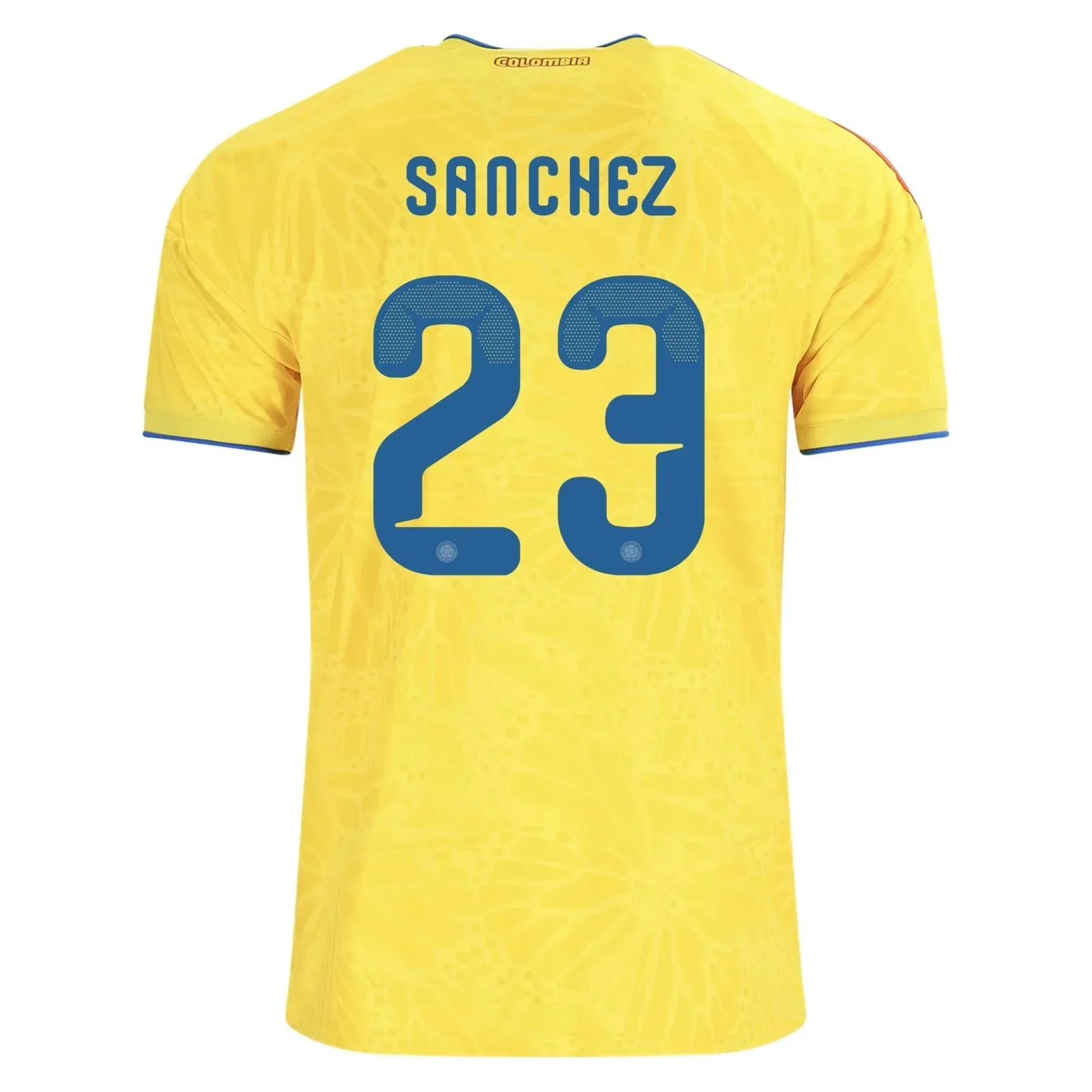 US$27.99 • LISIMKESANCHEZ #23 Colombia Home Jersey 2026 World Cup – Neon Yellow
 US$27.99 • LISIMKEChelsea Goalkeeper Jersey 26/27 – Black
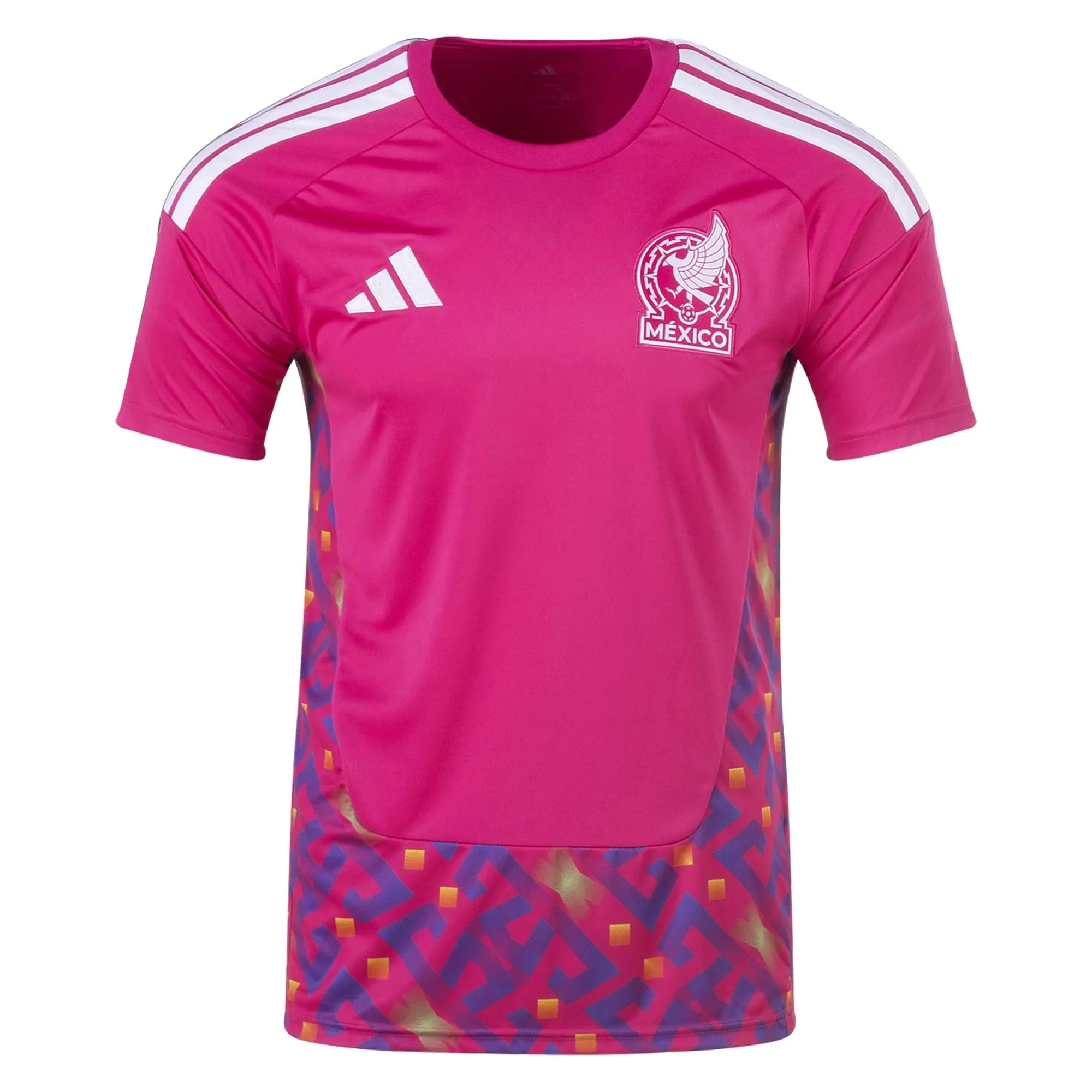 US$27.99 • LISIMKEMexico Goalkeeper Jersey 2026 – Pink & Red
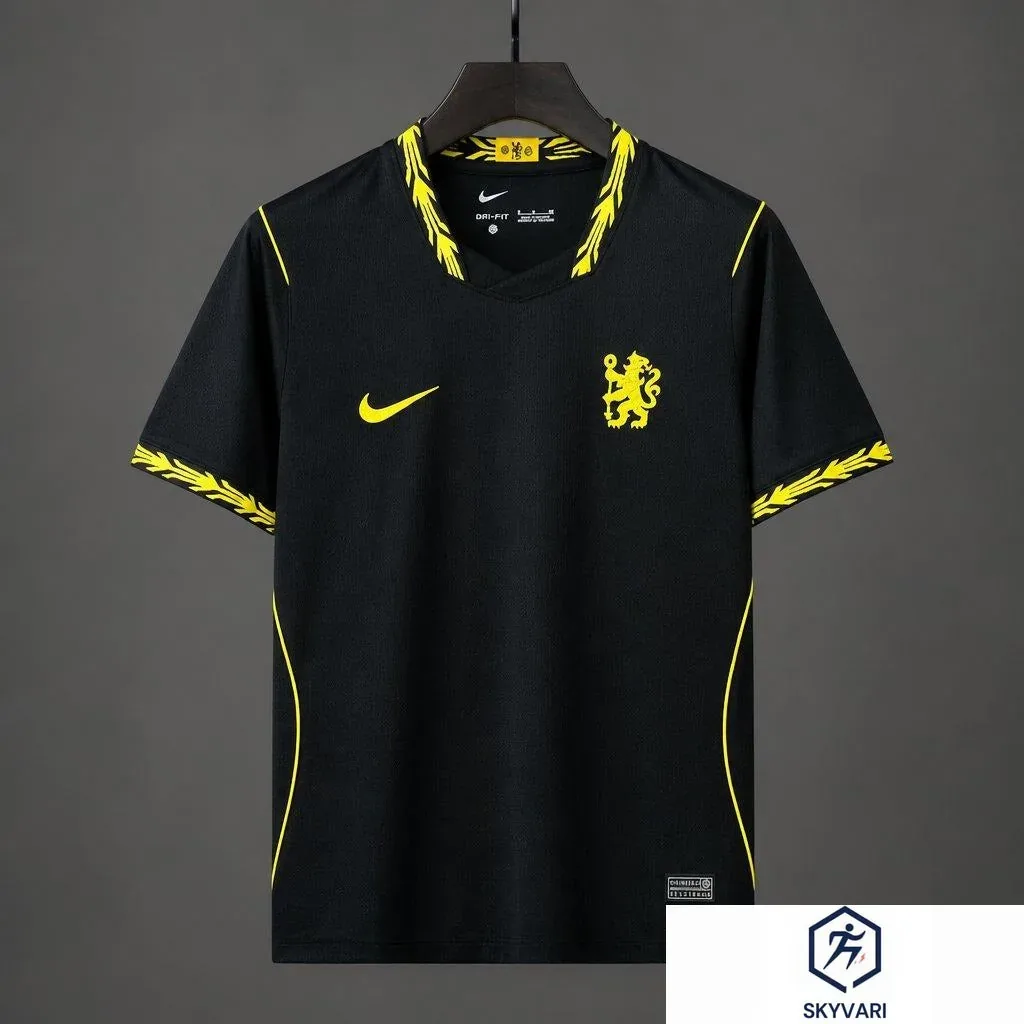 US$27.99 • LISIMKEChelsea Away Jersey 26/27 – Black
Why did Emi Martínez change his shirt number?
He switched from No. 26 to No. 1, which is traditionally the first-choice goalkeeper's number. It signals his status as the club's top keeper.
How can fans get their No. 26 shirt signed?
Bring it to Stamford Bridge by October 4, and Emi Martínez will personally sign it. No word on whether you need to queue for hours, but probably.
Was Emi Martínez good for Chelsea?
In his first season, yes—he was a rare bright spot in goal, making fans feel confident after years of shaky keeping.
What do fans think of the signed shirt offer?
Most see it as a clever PR move, though some grumble about the deadline or the hassle. Overall, it's better than nothing.
Will other clubs copy this idea?
They might, but few have the same merchandising muscle. Chelsea set a high bar for fan relations here.