So you finally got that Yamal nameset pressed onto your World Cup jersey. You're buzzing. Then you go on holiday, leave it folded in the bag for a month and a half, and come back to black marks that weren't there before. The receipt underneath didn't transfer any ink, so what the hell happened? You're not alone — this is a weirdly common story in kit-collecting circles. And the good news is, you can probably fix it without trashing the shirt.
What Actually Caused Those Black Marks?
First, let's rule out the obvious: if the receipt didn't leave ink, it's not paper transfer. Heat press vinyl can leave residue if the press was too hot or if there was some gunk on the platen, but that usually shows up right away, not after a month of storage. More likely, those marks are from the adhesive on the nameset itself reacting with something in the bag — maybe moisture, maybe a bit of oil from your hands, maybe even dye from the bag lining. The fact that they appeared after storage, not immediately, points to a chemical reaction rather than a straight-up burn. Another possibility: the marks are actually mold or mildew from trapped moisture. Folded up in a non-breathable bag for six weeks? That's a petri dish. Mold can look black and fuzzy, but sometimes it just looks like dark smudges. Either way, you need to identify before you treat.
Before You Touch It: The Smudge Test
Do not just start scrubbing. You'll make it worse. Take a clean white cotton swab or a corner of a white paper towel, dampen it with water, and gently dab one of the marks. If color comes off onto the swab, it's likely ink or dye — and that means any rubbing will spread it. If nothing comes off, it's probably oil-based or a residue stuck in the fabric. That distinction matters because the wrong cleaner can set the stain or dissolve the nameset adhesive. Also, check if the marks are on top of the fabric or embedded in the fibers. If they're raised or crusty, it might be adhesive residue. If they're flat and dark, it's absorbed.
What Actually Works (and What Will Ruin Your Shirt)
Let's start with what not to do: keep alcohol away from the nameset. Rubbing alcohol is great for ink, but it will eat the heat-press adhesive and your nameset will peel. Same goes for acetone or nail polish remover. If the marks are oil-based, a tiny dab of mineral spirits or white spirit on a cotton ball, applied only to the stain, can work — but test on an inside hem first. Then wash normally. For a gentler approach, cool water with a drop of mild dish soap, dabbed gently with a microfiber cloth, is safe for most kits. Don't scrub. Don't use hot water. And don't put it in the dryer until you're sure the stain is gone. If it's mold, you need white vinegar diluted with water, not soap. Spray, let it sit, then wash cold. If none of that works, there's a nuclear option: take it to a bridal dry cleaner. Those folks remove stains from wedding dresses that cost more than your car. They know their chemistry. I've heard of them getting out stains that looked permanent in ten minutes. Just tell them exactly what the fabric and nameset are so they don't use heat.
Why You Shouldn't Panic About Replacing It
You said you can't replace this jersey anywhere — and that's exactly why you need to be patient. A lot of collectors would try to scrub it immediately and end up with a faded patch or a peeled nameset. The fact that the marks appeared after storage, not after the press, means they're probably on the surface or in the top layer of fibers. That's easier to fix than a dye bleed. Also, if it turns out to be mold, the jersey isn't ruined — mold washes out with the right treatment. If it's adhesive residue, a dry cleaner can handle it. The only scenario where you're screwed is if you've already tried alcohol and melted the vinyl. So don't do that.
The One Thing I'd Try First
If I were you, I'd start with the gentlest possible option: cool water, a drop of dish soap, and a soft cloth. Dab, don't rub. Rinse and air dry. If that doesn't work, move to a diluted vinegar soak for mold. If it's still there, go to a professional. And next time, don't leave a freshly pressed jersey folded in a bag for six weeks — hang it up to let any residual adhesive or moisture escape. That's the real lesson here. But you already knew that.
Agree or disagree? I've seen people swear by alcohol and others say it's the devil. What's your go-to for mystery stains on kits?
From the LISIMKE shop
Kits that fit this story
 US$27.99 • LISIMKELamine Yamal Spain Away Jersey 26/27 – White – Youth
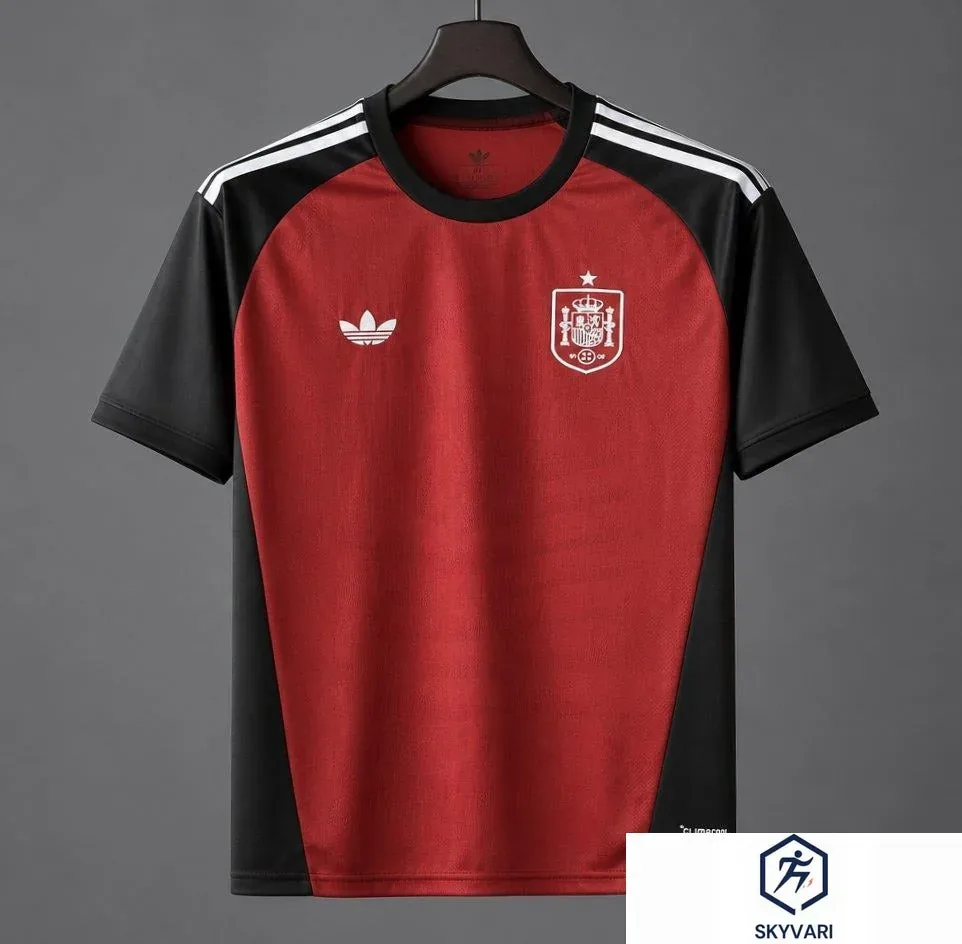 US$27.99 • LISIMKESpain Wine Goalkeeper Jersey 2026 – Black
 US$27.99 • LISIMKEArgentina Goalkeeper Jersey 2026 – Black
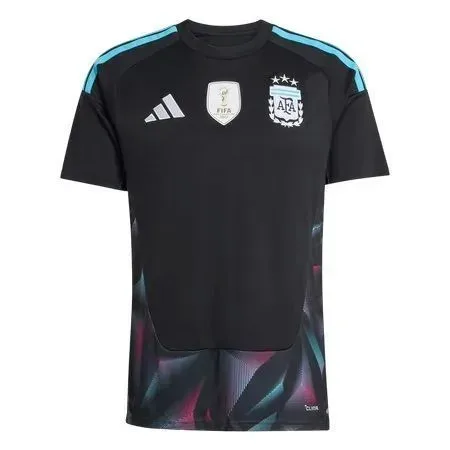 US$27.99 • LISIMKEArgentina Goalkeeper Jersey 2026 World Cup – Black
 US$27.99 • LISIMKESt Pauli Home Jersey 26/27 – White
Can I use rubbing alcohol to remove black marks from my jersey?
No, absolutely not if the marks are near a nameset. Alcohol dissolves the heat-press adhesive and will cause the vinyl to peel. Even if the marks are elsewhere, alcohol can damage some synthetic fabrics. Stick to mild soap or a professional cleaner.
What if the black marks are mold?
Mold can grow on damp fabric left in a bag. Mix equal parts white vinegar and water, spray on the affected area, let it sit for 15 minutes, then wash cold. Don't use bleach, which can discolor the shirt.
How do I know if the stain is ink or oil?
Dab with a damp white cloth. If color transfers, it's ink or dye — don't rub, as it will spread. If nothing transfers, it's likely oil-based or residue. For oil, a tiny bit of mineral spirits on a cotton swab can work, but test first.
Will a dry cleaner ruin my nameset?
Not if you tell them it's a heat-pressed vinyl nameset. They should avoid high heat. Bridal cleaners are often the best because they handle delicate fabrics. Just be clear about what the shirt is made of.
Can I prevent this from happening again?
Yes. After getting a nameset pressed, hang the jersey to air out for a day before storing. Never leave it folded in a plastic bag for weeks. Store in a cool, dry place, and avoid stacking heavy items on top.