I was scrolling through a football shirt forum the other day and stumbled on a post asking if €600 for a shirt is fair. The replies were brutal. One guy said, 'No. It’s a t-shirt, no t-shirt is worth €600 unless it’s made from €600.' That pretty much sums up the vibe. But it got me thinking: when does a football shirt stop being a piece of fabric and start being a collectible? And is there any scenario where dropping that kind of cash makes sense?
When a Shirt Becomes a Museum Piece
Let’s be real: most shirts are just polyester. You can get a decent replica for 80 quid. But some shirts cross into artifact territory. I’m talking about match-worn shirts from iconic games, or player-issued ones with all the trimmings. Those aren’t t-shirts anymore; they’re historical documents. If you’re a hardcore collector, a €600 price tag might not even raise an eyebrow. But for the average fan? It’s absurd. The key is provenance. Without a story, it’s just an expensive rag.
The 'Not Original, Tho' Problem
One commenter pointed out that the shirt in question wasn’t original. That’s a huge red flag. If you’re paying premium prices, you better be getting the real deal. Fakes are everywhere, and some are so good they fool experts. But if it’s a reproduction or a re-release, the value plummets. I’ve seen people drop hundreds on a shirt only to find out it’s a knockoff. Do your homework. Ask for tags, check the stitching, compare with known authentic examples. If the seller can’t prove it’s legit, walk away.
What Would I Pay?
Personally, my ceiling for a shirt is around €150. That’s for something special: a rare away kit, a player-issue with a story, or a grail I’ve been chasing for years. Above that, I need a damn good reason. €600? That’s a holiday. Or a new laptop. Or 10 shirts I actually wear. But I get it: some people collect art, some collect stamps, we collect shirts. If you have the disposable income and it brings you joy, go for it. Just don’t expect me to nod along when you show me your 'investment'.
The 'Try Bringing the Price Down' Gambit
One reply suggested trying to haggle the price below €500. That’s classic negotiation. If you’re serious about buying, always make an offer. The worst that happens is they say no. But if the seller is firm at €600, you have to decide if it’s worth it to you. Don’t let FOMO make the decision. There will always be another shirt.
Why We Even Care About the Price
Here’s a fresh angle: the outrage over €600 isn’t just about money. It’s about what we think football should be. Fans are already priced out of tickets, merch, and TV subscriptions. A €600 shirt feels like a line in the sand. It’s a symbol of how commercial the game has become. So when someone asks if it’s fair, they’re really asking: is this what football is now? And that’s a question worth debating.
At the end of the day, value is subjective. But if you’re dropping serious cash, make sure it’s for something that actually means something to you. Not just because someone on the internet said it’s rare.
From the LISIMKE shop
Kits that fit this story
 US$32.99 • LISIMKELionel Messi Argentina Home Jersey 26/27 – Sky Blue – Long Sleeve Authentic
 US$32.99 • LISIMKELionel Messi Argentina Away Jersey 26/27 – Navy – Long Sleeve Authentic
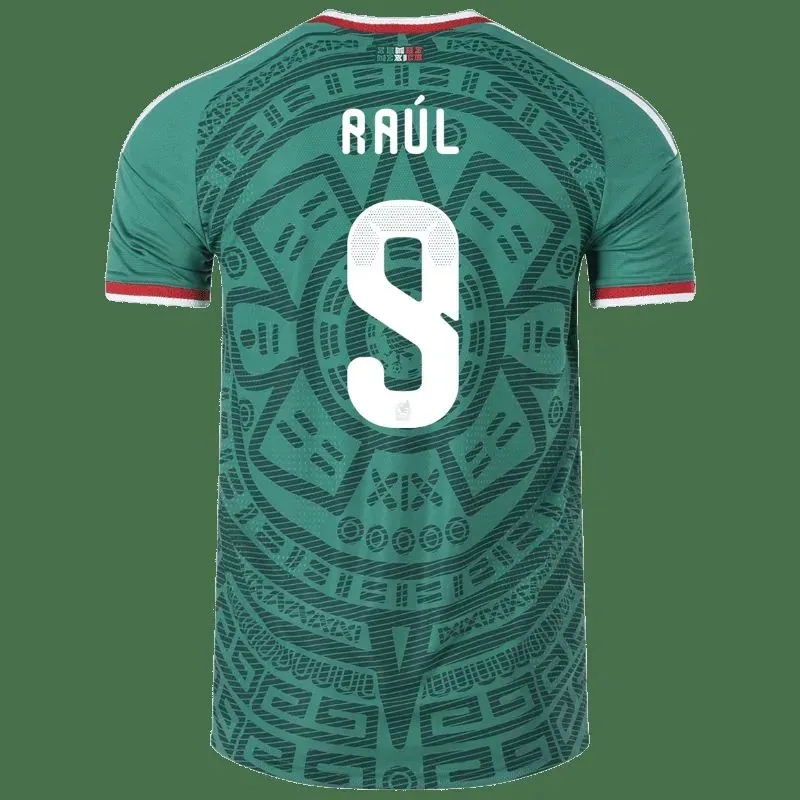 US$27.99 • LISIMKERaúl Jiménez Mexico Home Jersey 26/27 – Green – Authentic
 US$27.99 • LISIMKEChicharito Mexico Home Jersey 26/27 – Green – Authentic
 US$27.99 • LISIMKEOr Authentic Home Home Jersey – White – Authentic
Is €600 a fair price for a football shirt?
It depends on what you're getting. For a standard replica, no way. For a rare match-worn or player-issued shirt with provenance, it might be fair to serious collectors. But for most fans, it's way too much.
What makes a football shirt worth hundreds?
Rarity, provenance, and condition. If it was worn in a famous match or by a legendary player, and it's authentic, the price can skyrocket. But without those factors, it's just a t-shirt.
How can I tell if a football shirt is original?
Check the tags, stitching, and overall quality. Look for official holograms or authenticity codes. Compare with known authentic examples online. If the price seems too good to be true, it probably is.
Should I haggle over the price of a football shirt?
Absolutely. Sellers often expect offers. Start lower than you're willing to pay and see what happens. The worst they can say is no.
What's a reasonable budget for a football shirt?
For a regular replica, €80-€100 is typical. For something special, maybe up to €150-€200. Beyond that, you're paying for rarity or nostalgia.